

When Rest Feels Dangerous
Exploring the discomfort of slowing down and how to compassionately work with it.
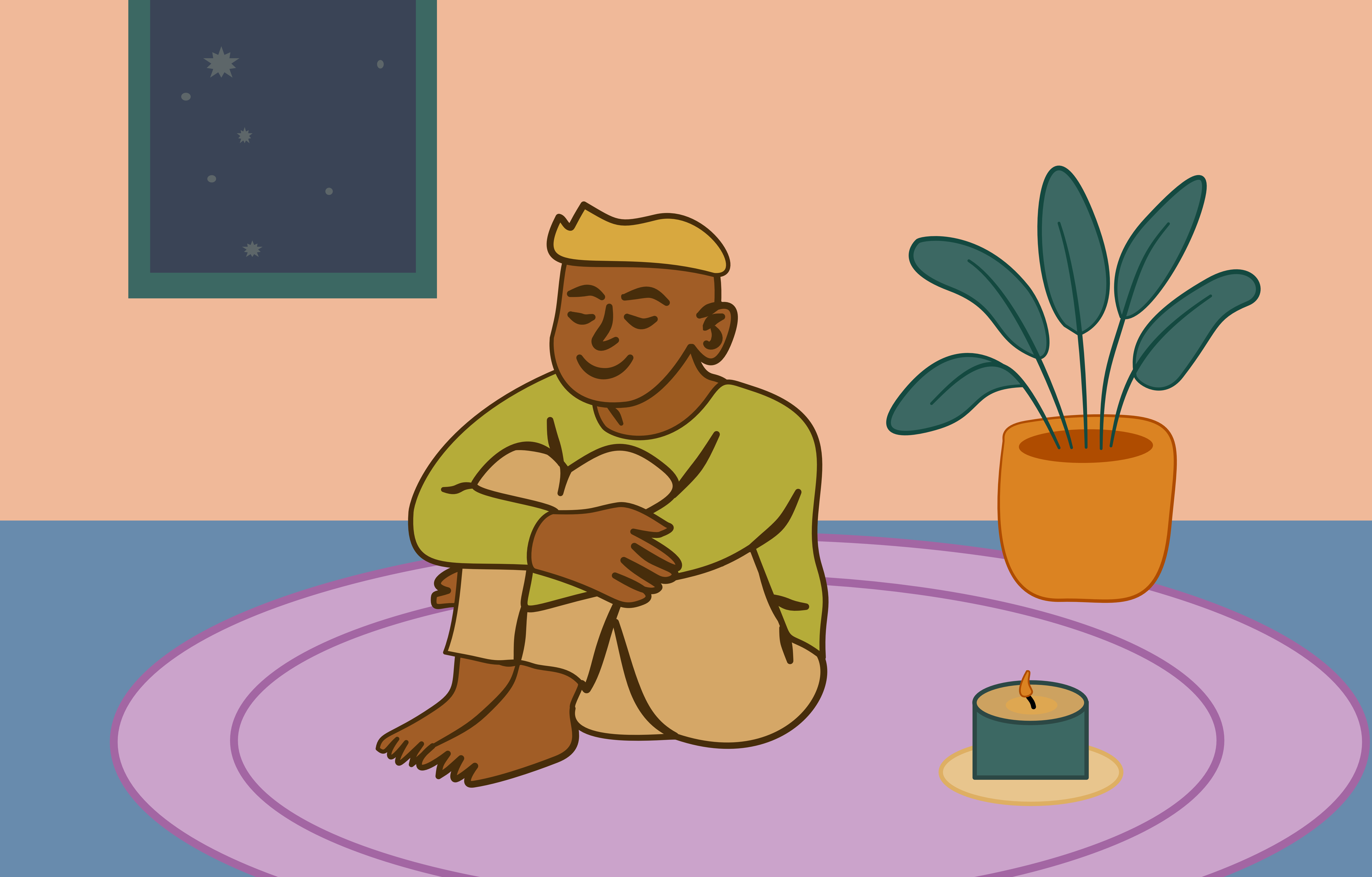
For many of us, slowing down to rest might feel more threatening or dysregulating than decompressing.
Rest, we’re told, is the antidote to burnout. But what happens when it feels unbearable?
Rest can be one of the hardest practices for those of us who were taught that productivity decides our worth, or for those whose bodies became accustomed to scanning for threats.
Even if rest feels unsafe right now, we can learn to build a different relationship with it. Over time, taking small, embodied steps can allow your body to remember that rest, too, can be safe.
If Slowing Down Causes Panic
If this is your experience, you’re probably responding in the way your nervous system has learned to survive. Rest can sometimes feel unsafe for a number of reasons:
Slowness removes distraction. When constant busyness falls away, what’s left often rises to the surface: grief, shame, anger, loneliness, anxiety, worthlessness, etc.
Productivity can feel like safety. Many of us were raised in environments where being useful, busy, or “good” was how we earned security or love. When we inherit these beliefs at a young age, our body’s are going to respond to rest with panic and anxiety that we could risk losing what makes us good enough or lovable. Hint: Love or acceptance based on productivity is not love, I’d call it something like transactional approval.
Trauma and hypervigilance. If your body grew accustomed to scanning for threat, rest may signal danger. Stillness can feel like letting your guard down, and that can be terrifying if that trust in true rest has been betrayed.
The good news? While some may say that rest is laziness, rest can bring us rejuvenation, inspiration, joy, contentedness, and so much more. No matter how deep our patterns of productivity and busyness, patterns can shift with care.
Building Trust With Rest
Think of starting this journey towards rest not as a giant leap but as a series of small steps. This is how we can start to build trust with our bodies and practice embodiment as we venture into this uncomfortable practice. Some ideas to try out as you’re starting these small steps could be:
1. Micro-Rest. Try two minutes at a time. Lean back in your chair. Unclench your jaw. Let your eyes soften on something across the room. Notice the ground or cushion underneath you. Just check in with your body for a moment.
2. Pair it with comfort. Find your own objects of sensory safety: a weighted blanket, dim lighting, a warm mug, gentle music, etc. These cues can help your body ease into the idea of stillness as safe instead of threatening.
3. Name what’s happening. Instead of pushing past the racing thoughts or tightening chest, try saying, “My body feels unsafe slowing down.” Naming it interrupts shame and makes space for compassion. Maybe even name some of the sensations coming up in your body that indicate feeling a lack of safety.
4. Experiment with movement-rest. Rest doesn’t have to mean sitting in silence. It could be a slow walk, stretching on the floor, or sitting outside watching clouds. Rest can be anything that allows us to put away our to-do list for a few moments and just be present.
Creating Safety in Rest
I would hate for someone’s takeaway to be that I recommend forcing yourself to feel calm. My hope is to slowly weave in enough safety that rest can gradually become a place your body learns to trust.
Some questions to ask yourself:
What feels so threatening to me about rest?
What would it mean about me if I weren’t as productive?
Where did I first learn that I need to productive or busy as much as possible?
If this belief could quiet down for a moment, what kind of rest might I find restful, fun, tolerable, etc.?
If there is a part of me that wants to force myself to rest or quickly jump into the deep end with this concept, where is the pressure to rush the process coming from?
How can I start as small as possible with something that doesn’t feel too overwhelming, and just experiment with how it feels in my body?
Start with the reminder that your body is not your enemy, it’s trying to keep you alive in the only ways it learned how.
Even rest is not a battle to win but a relationship to nurture, slowly, over time.
Yes an important message! It’s insight into the powerful subconscious effect of hustle culture, where rest must be earned to we feel guilty, then often compounded by trauma, not feeling safe in silence or attending to one’s needs and not someone else’s